GEF TWAP – Transboundary Waters Assessment Programme

Many rivers, lakes, seas, and underground water bodies stretch across more than one country. When these shared waters get polluted or are overused, it affects many nations at the same time. Because of this, countries need to work together to protect and manage these resources.

To support this cooperation, the Global Environment Facility (GEF) created the Transboundary Waters Assessment Programme (TWAP). The programme studies shared water systems around the world and provides scientific information on their condition. This helps countries understand risks, plan actions, and manage water resources better.

GEF TWAP Overview

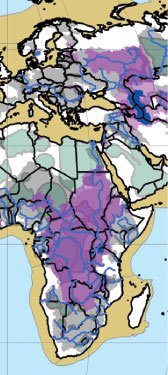
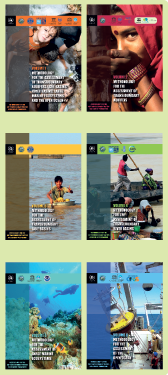
The Transboundary Waters Assessment Programme (TWAP) was designed to study the condition of shared water systems worldwide. Its main assessment phase ran from 2013 to 2016. TWAP focused on five kinds of water systems: Rivers, Lakes, Groundwater (aquifers), Large Marine Ecosystems (LMEs), and the Open Ocean. Many international organizations, including UNEP, UNESCO-IHP, and IOC-UNESCO, worked together on this project.

geftwap

The programme’s main purpose was to gather reliable, science-based information about these shared water bodies. It looked at environmental conditions, human pressures, and the social importance of these water systems. The findings help countries make better decisions to manage water, reduce pollution, protect biodiversity, and deal with climate change.

Main Components of TWAP

TWAP uses different methods to study shared water systems. These components help leaders, scientists, and communities understand the challenges and find solutions.

Key Components:

  • Biophysical Assessment – Checks water quality, biodiversity, pollution, and water flow.
  • Socioeconomic Assessment – Looks at how water affects jobs, income, and social needs.
  • Governance Assessment – Reviews laws and cooperation between countries.
  • Risk and Vulnerability Analysis – Studies threats from climate change and human activity.
  • Data and Knowledge Sharing – Builds platforms to share information globally.

Transboundary Water Categories Assessed

CategoryDescriptionExample
RiversRiver basins shared by different countriesNile, Mekong
LakesLake systems spread across bordersLake Victoria, Great Lakes
AquifersUnderground water shared by countriesNubian Sandstone Aquifer
Large Marine Ecosystems (LMEs)Shared coastal marine areasBay of Bengal LME
Open OceanInternational waters outside national controlHigh seas

Significance of GEF TWAP

TWAP has changed how countries understand and manage shared water resources. It shows that pollution, overfishing, climate change, and invasive species have international impacts, so countries must work together. The programme helps nations plan for long-term sustainability while protecting biodiversity and supporting economic progress.

TWAP also helps create trust among countries by sharing science-based facts. These shared findings make it easier for countries to agree on actions and solve water problems peacefully. The programme also supports global goals such as SDG-6 (Clean Water and Sanitation) and SDG-14 (Life Below Water), helping protect water bodies for future generations.

Latest Update on GEF TWAP

The GEF Transboundary Waters Assessment Programme is an important global effort to study and protect shared water systems. By examining rivers, lakes, aquifers, and marine environments, it provides valuable information to guide better decision-making. Its work encourages joint water management and helps protect nature and communities that depend on these waters.

As climate change increases and water needs grow, shared management becomes even more important. TWAP offers the knowledge and tools countries need to work together and protect the water resources that support life and development across borders.

FAQs

What is GEF TWAP?

It is a programme by the Global Environment Facility that studies shared water bodies around the world.

Why was TWAP created?

It helps countries understand the condition of shared waters and plan actions to protect them.

What types of water systems does TWAP study?

Rivers, lakes, aquifers, Large Marine Ecosystems, and the open ocean.

Who worked on TWAP?

UN organizations, research bodies, and scientific experts.

How does TWAP help countries?

It provides scientific information to guide joint water management and sustainable development.